FAQs
What is Platelet Rich Plasma (PRP)?
Platelet Rich Plasma (PRP) is an ultrasound-guided, minimally invasive procedure that was initially used to treat tendon abnormalities such as tendinosis or tendinopathy. It is now commonly used for partial tendon or ligament tears, muscle injuries, and osteoarthritis.
PRP is blood plasma with concentrated platelets and growth factors. The concentrated platelets in PRP are a large reservoir of bioactive proteins, including growth factors that are important to tissue regeneration and repair.
How Does PRP Work?
A small amount of blood is taken from the patient and placed in a centrifuge. The centrifuge spins the blood, separating the platelet rich plasma (PRP) from the red and white blood cells.
The PRP is then injected under sterile conditions to limit the risk of infection and under ultrasound guidance by Dr. Fibel to ensure the injection is placed in the correct location.
Is All PRP the Same?
No, not all PRP is the same. Using more advanced machines and PRP kits, Dr. Fibel can adjust the platelet concentration and white blood cell content to produce Leukocyte-Rich PRP or Leukocyte-Poor PRP depending on the injury being treated.
Differences in PRP preparation and quality often explain why the cost of PRP procedures can vary between clinics.
What is Percutaneous Needle Tenotomy?
Percutaneous Needle Tenotomy (PNT) is an ultrasound-guided, minimally invasive procedure used to treat tendon abnormalities, most commonly tendinosis or tendinopathy.
A small needle is introduced through the skin and into the abnormal tendon using a needling technique. This helps induce bleeding and increase blood flow to the damaged tendon, stimulating a healing response and promoting tendon repair.
My first goal when seeing patients is to ensure that we are accurately diagnosing the problem so that we can establish an appropriate and successful treatment plan to get you active again. Although I would like to help patients avoid the need for surgery, I have an in-depth understanding of surgical indications and what would be better treated with surgery. Having this knowledge allows me to provide appropriate recommendations and guidance to all of my patients. It is important to recognize that over 90% of sports injuries do not require surgery and are best treated non-operatively. This means that there is a very good chance we can use non-surgical treatments to get you back to doing the activities that you love.
I believe that great medical care involves developing a trusted relationship between the patient and doctor. My job is to listen to you (the patient) and your concerns and then best provide an individualized treatment plan including a shared-decision making process to help you succeed in achieving your goals.
While I do provide care for high-level collegiate and professional athletes, I treat anyone who is trying to remain or become more active. This means that I see patients of all ages including adolescents participating in recreational sporting activities, weekend warriors, individuals engaging in exercise programs for their health, and those battling with arthritis affecting their daily activities. My goal is to help improve your quality of life and achieve your desired level of activity whether that’s making your college sports team or simply playing in the backyard with your kids.
I perform ultrasound-guided injections in my practice for a variety of joints and soft tissue injuries including those of the knee, shoulder, hip, elbow, and ankle. Besides technical corticosteroid injections which can help for diagnostic purposes, other treatments that I commonly use in my practice include viscosupplementation (hyaluronic acid, gel injections) for osteoarthritis as well as regenerative medicine techniques such as platelet-rich plasma (PRP), biologic connective tissue matrix, and percutaneous needle tenotomy for various orthopedic issues.
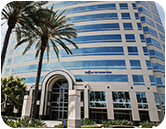
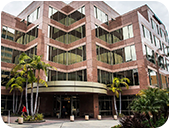
I see patients at a couple of our Cedars-Sinai Orthopedic office locations. I have a Los Angeles and Orange County (Anaheim) office. Please see additional details (address, phone number) on the main page.
My practice hours are typically from 8:00 am – 5:00 pm, Monday through Friday (except holidays).
When you come for your appointment remember to bring the following:
- Driver’s License or a valid ID
- Insurance information
- Referral letter (if required)
-
Reports from prior imaging (and images if available), including:
- X-rays
- MRIs
- Other relevant imaging studies
- List of current medications (if any)